The Hiking Gear That Actually Matters
Boots, socks, backpacks, and trekking poles — what's genuinely worth paying attention to before you buy, based on what makes or breaks a day on the trail.
If you decide to purchase through the links on this page, I may earn a small commission at no extra cost to you. It's a simple way to support the site and keep these free travel tools available for everyone.
Footwear
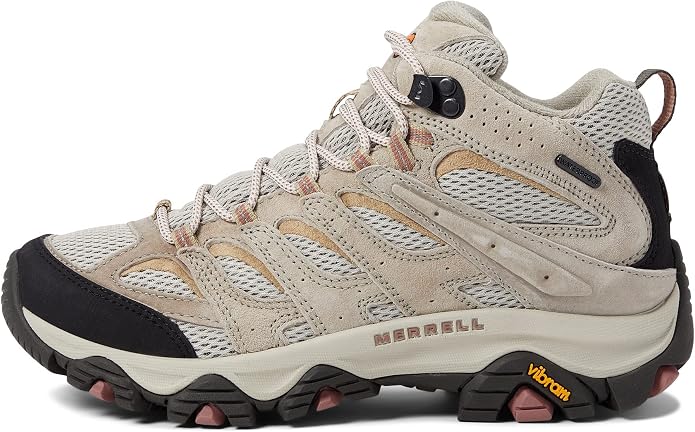
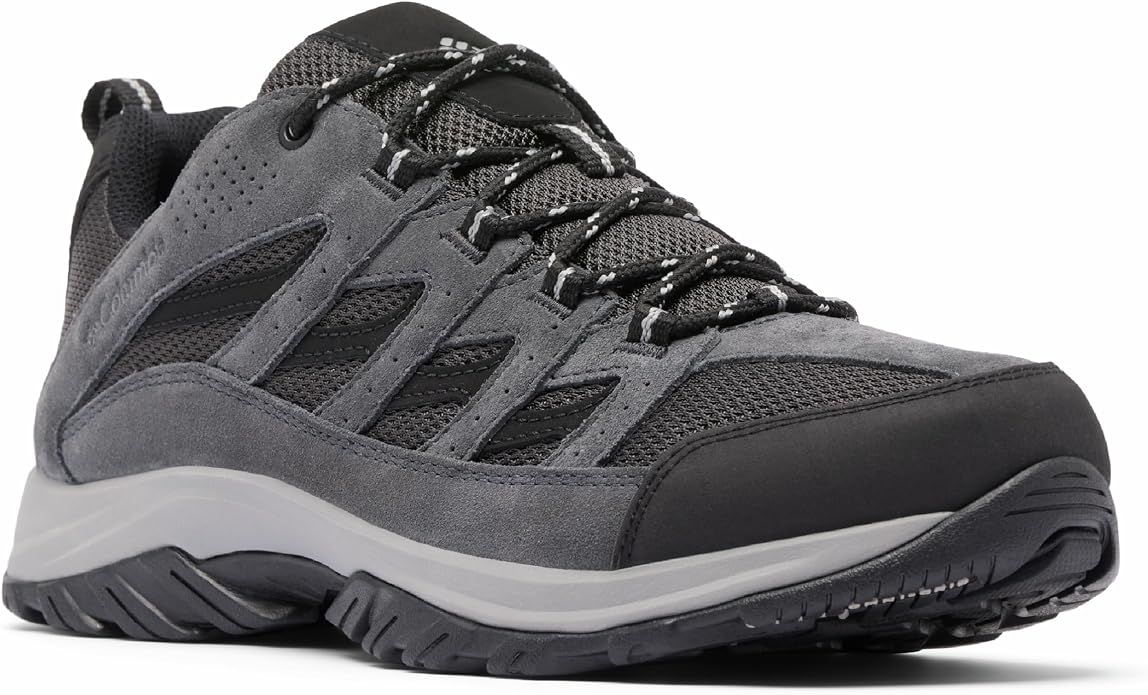
Hiking Boots
Your boots are the single piece of gear most likely to end your hike early if they're wrong, so they're worth getting right.
What to Look For
-
-
- Cut height — low-cut trail shoes are lighter and fine for day hikes on maintained trails; mid or high-cut boots add ankle support for uneven terrain or heavier packs.
- Waterproofing vs. breathability — waterproof membranes keep feet dry in wet conditions but run warmer; mesh boots breathe better in hot, dry climates.
- Outsole grip — deeper, widely spaced lugs grip better in mud and loose terrain.
- Break-in time — leather boots need several short wears before a long hike; synthetics are usually closer to trail-ready.
- Fit — leave a thumb's width in front of your longest toe, since feet swell and push forward on descents.
-
Base Layer
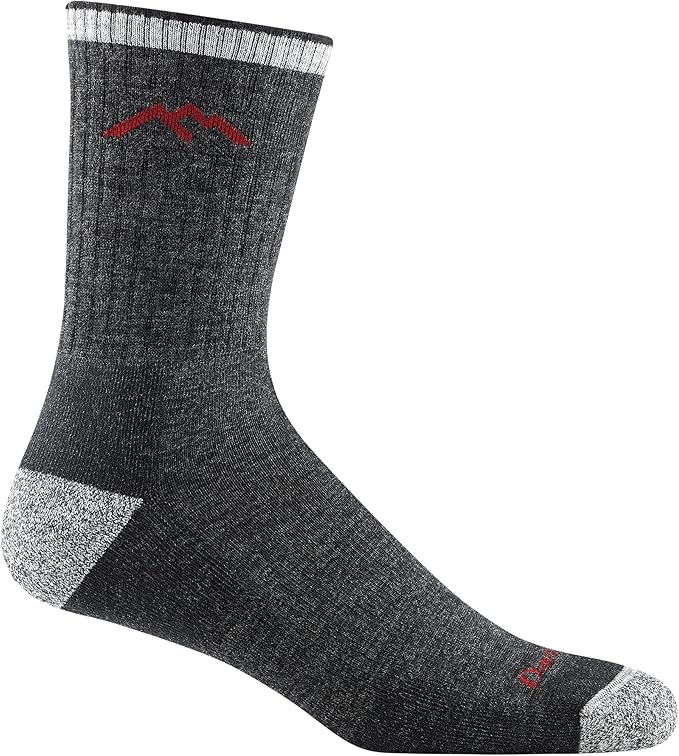
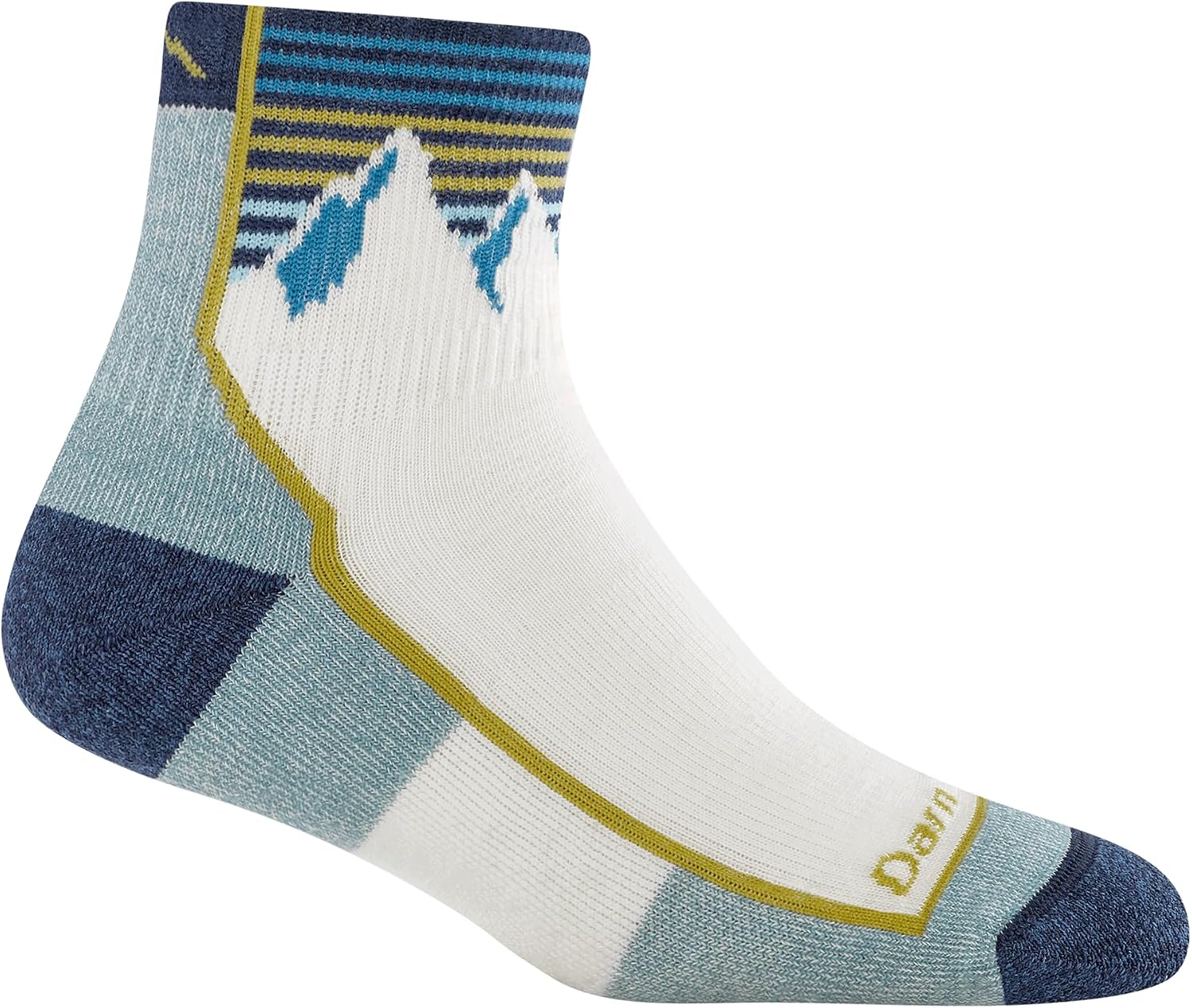
Hiking Socks
An underrated upgrade — the right socks prevent more ruined hikes than people expect.
What to Look For
- Material — merino wool regulates temperature and resists odor; synthetics dry faster; avoid cotton entirely, since it holds moisture and causes blisters.
- Cushioning — light for fast hiking or hot weather, heavier for long distances or rocky trails.
- Fit — a snug heel and arch prevent bunching and hot spots.
- Height — ankle socks for low-cut shoes, crew or over-the-calf for boots, to prevent cuff rubbing.
Carrying Your Gear
Hiking Backpacks
The right size depends entirely on how long you're out, not how strong you are.
What to Look For
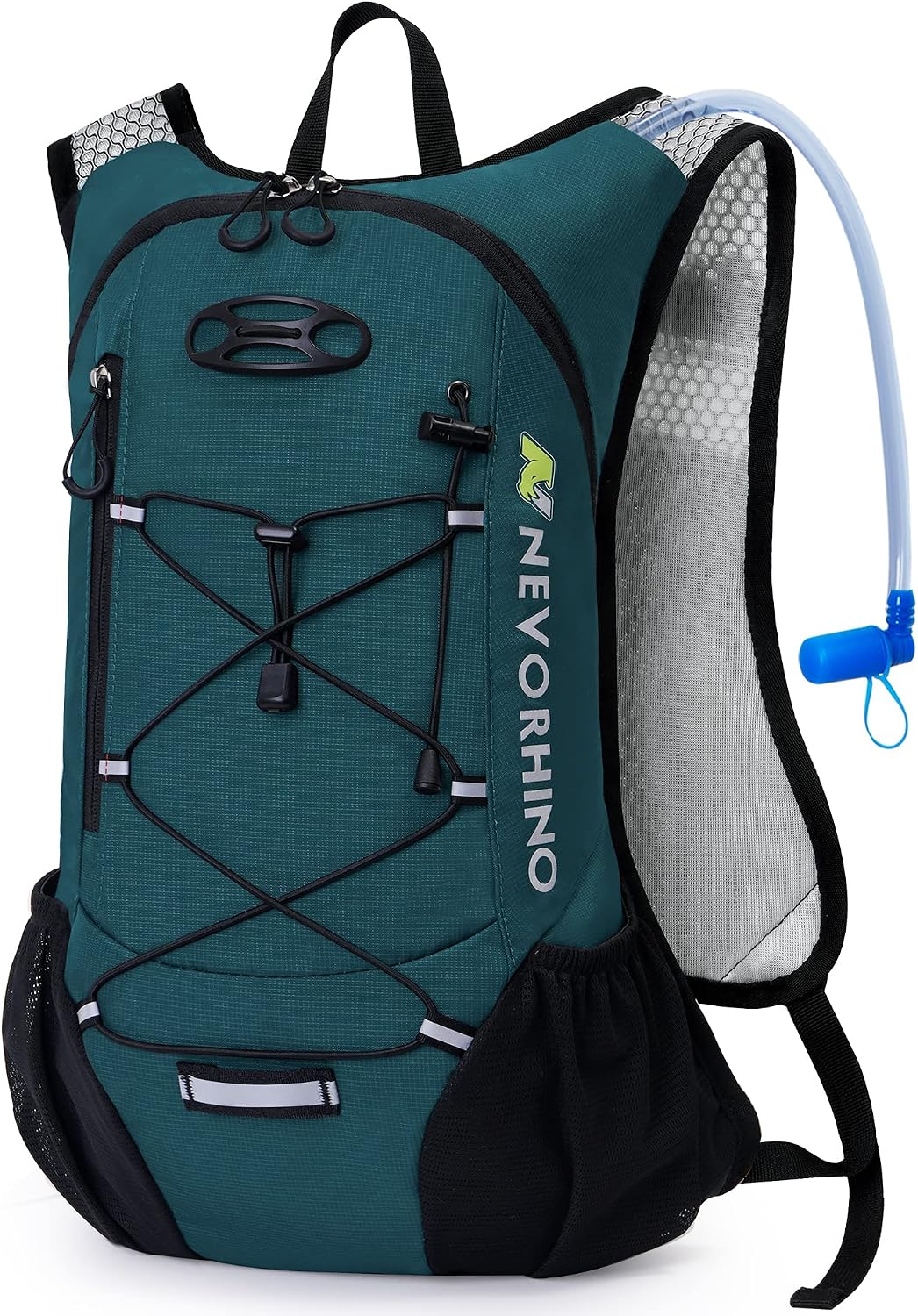
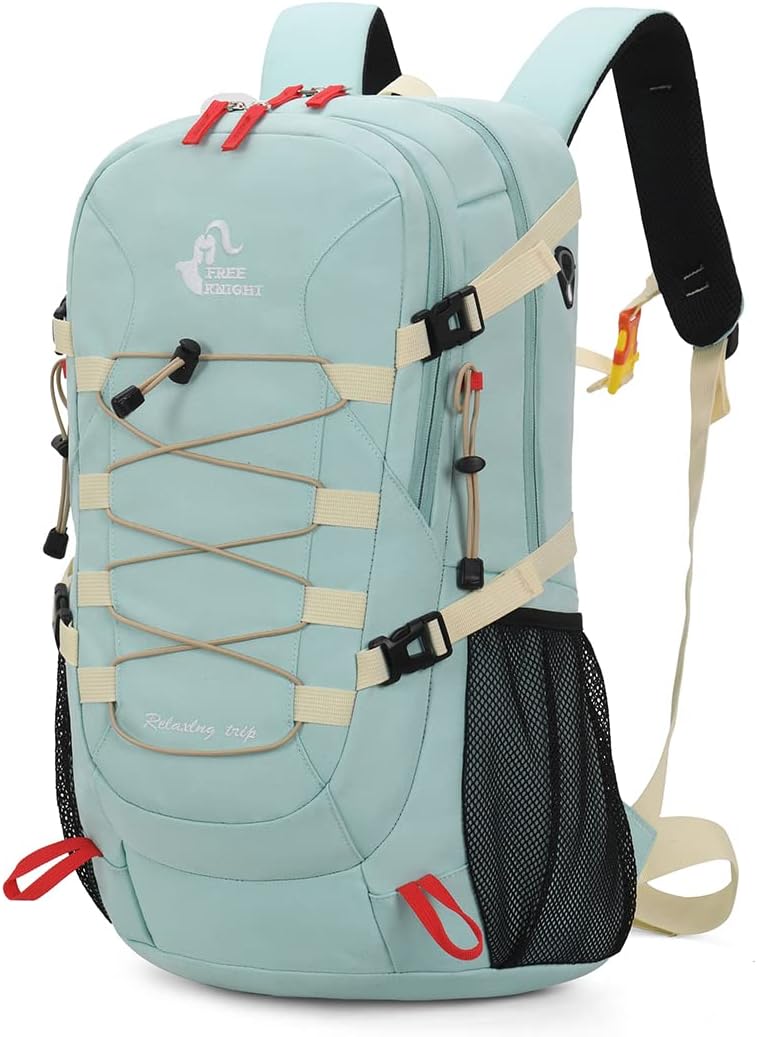
- Capacity — roughly 20–35L for day hikes, 40–50L for overnight trips, 50–65L+ for multi-day backpacking.
- Torso fit, not height — packs are sized by torso length; an ill-fitting hip belt causes more discomfort than capacity choice ever will.
- Hip belt — a padded, adjustable belt transfers most of the weight off your shoulders and onto your hips.
- Useful features — a hydration reservoir sleeve, external attachment points, and a rain cover.
Optional, But Worth It
Hiking Poles
Not essential for every hike, but genuinely useful on steep descents, stream crossings, or with a heavy pack.
What to Look For
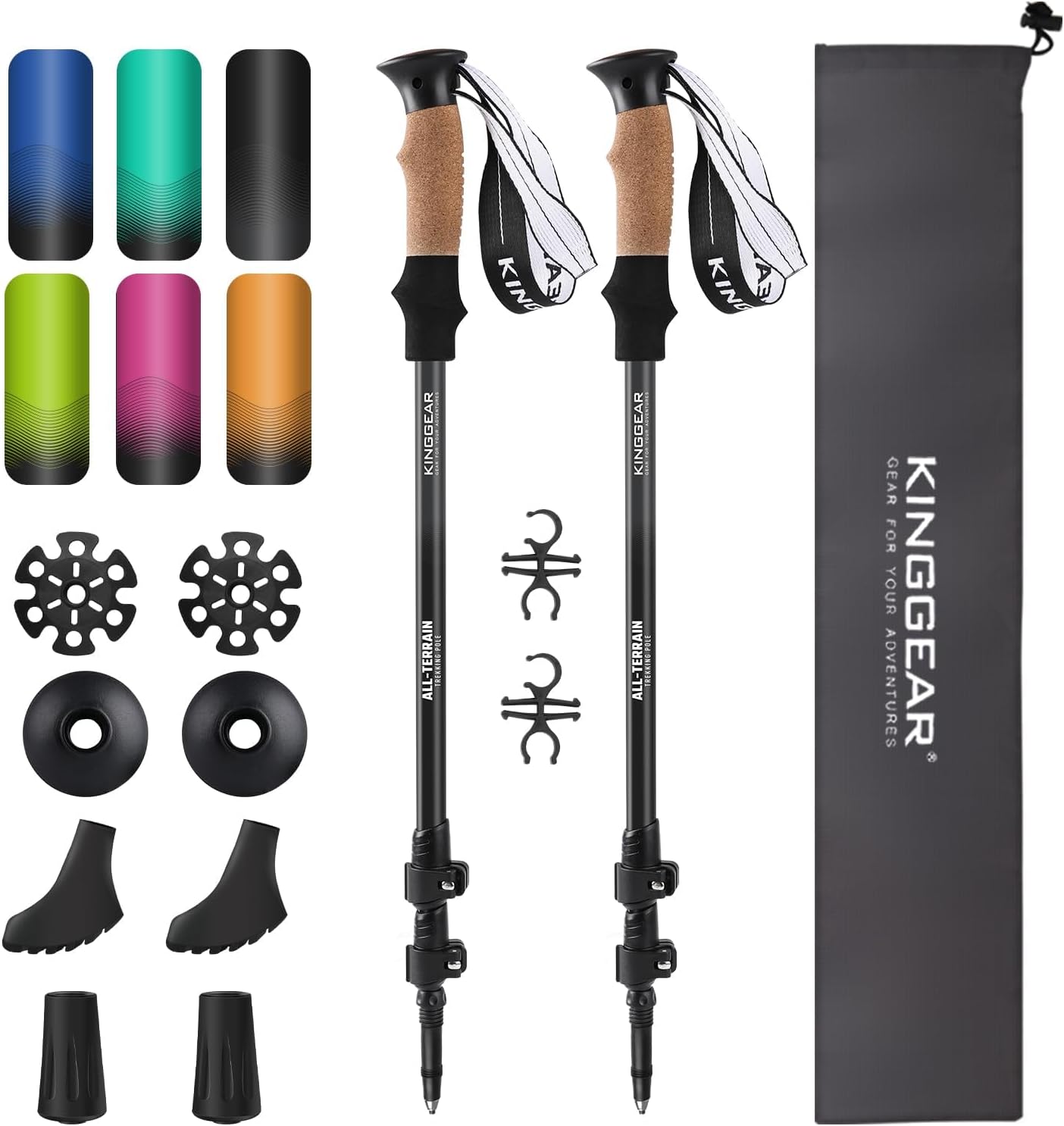
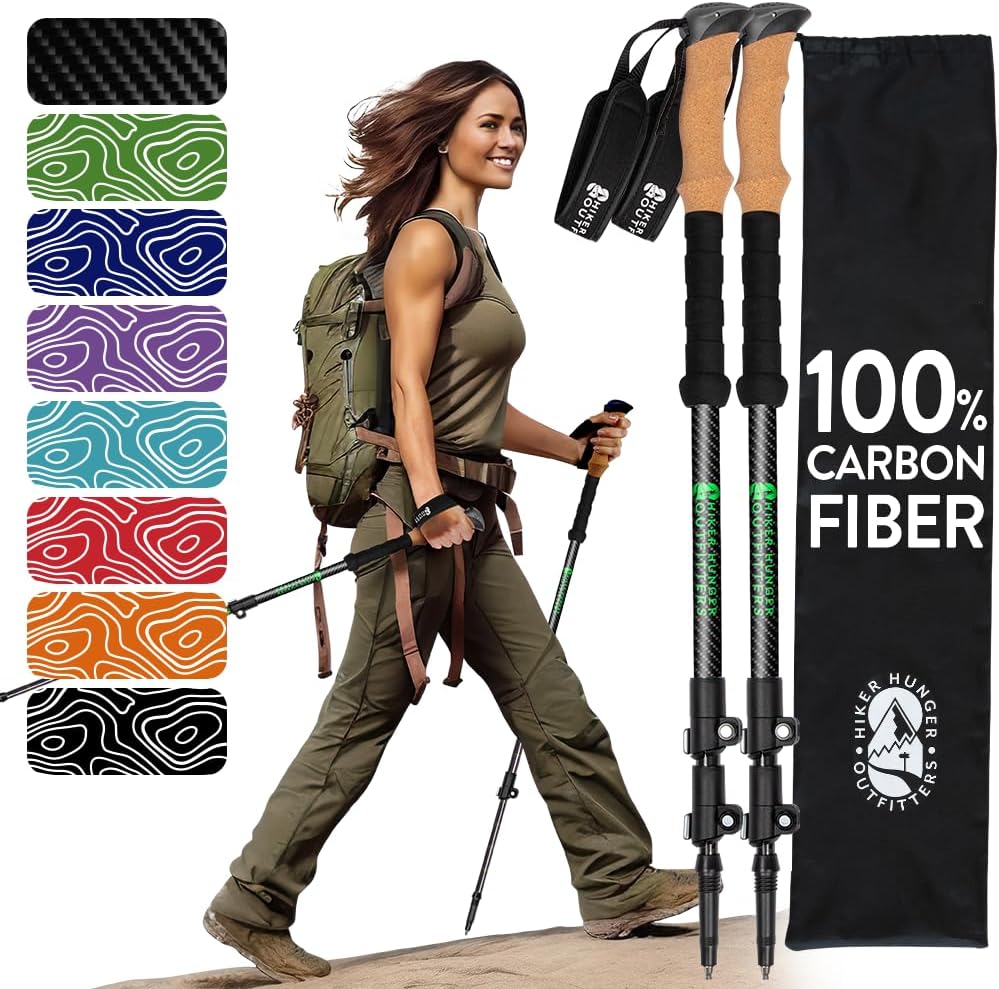
- Material — aluminum is more affordable and durable under stress; carbon fiber is lighter but can be more brittle on hard impacts.
- Locking mechanism — twist-lock poles are lighter and more compact; lever-lock poles are generally more reliable and easier to adjust with gloves on.
- Adjustability — adjustable-length poles suit varied terrain and multiple hikers; fixed-length poles are lighter but less flexible.
- Tips and baskets — rubber tips for pavement/rock, carbide tips for dirt and ice, small baskets to prevent sinking in mud or snow.
Shopping For Someone Else
Gifts for Hikers
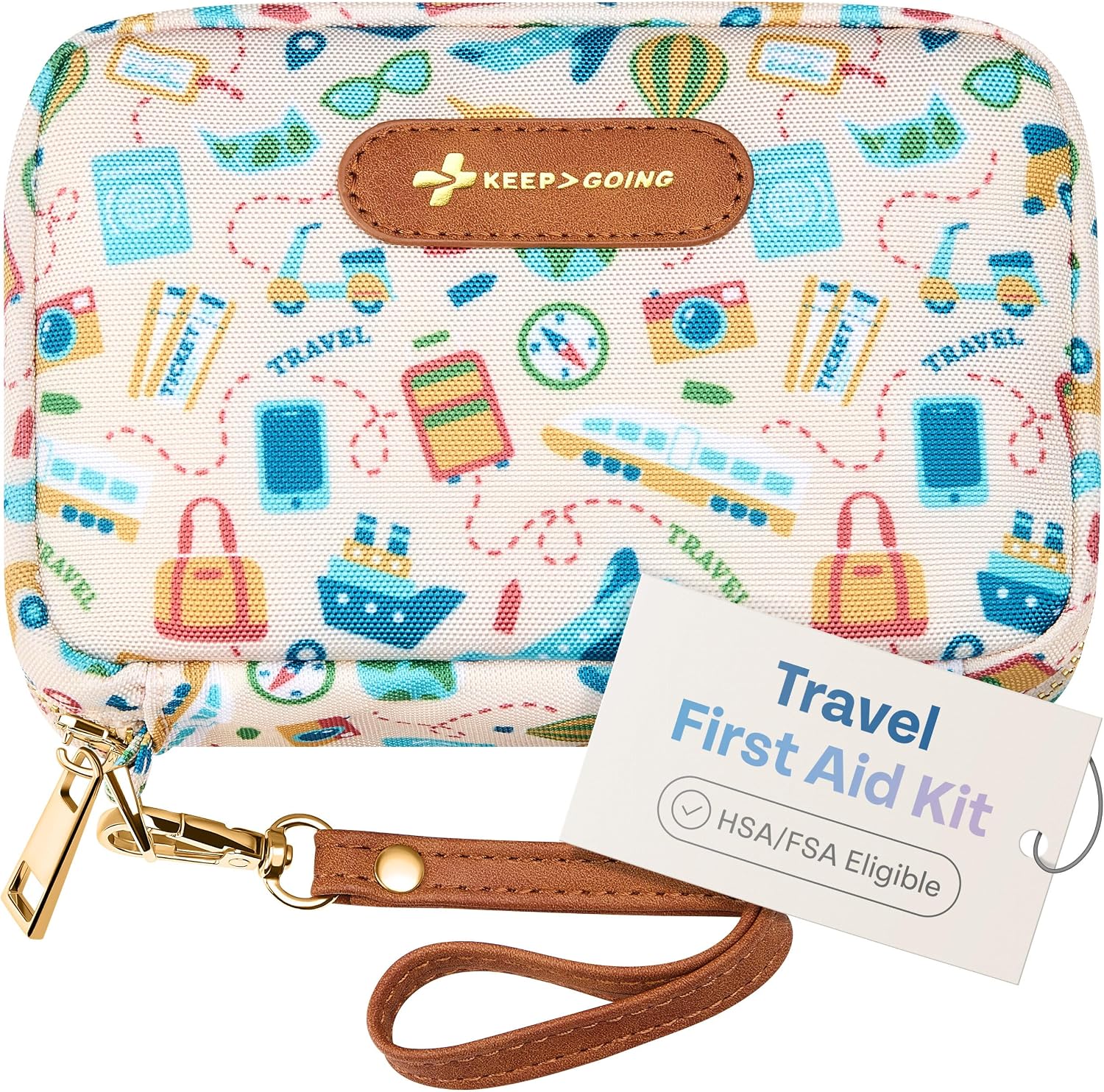
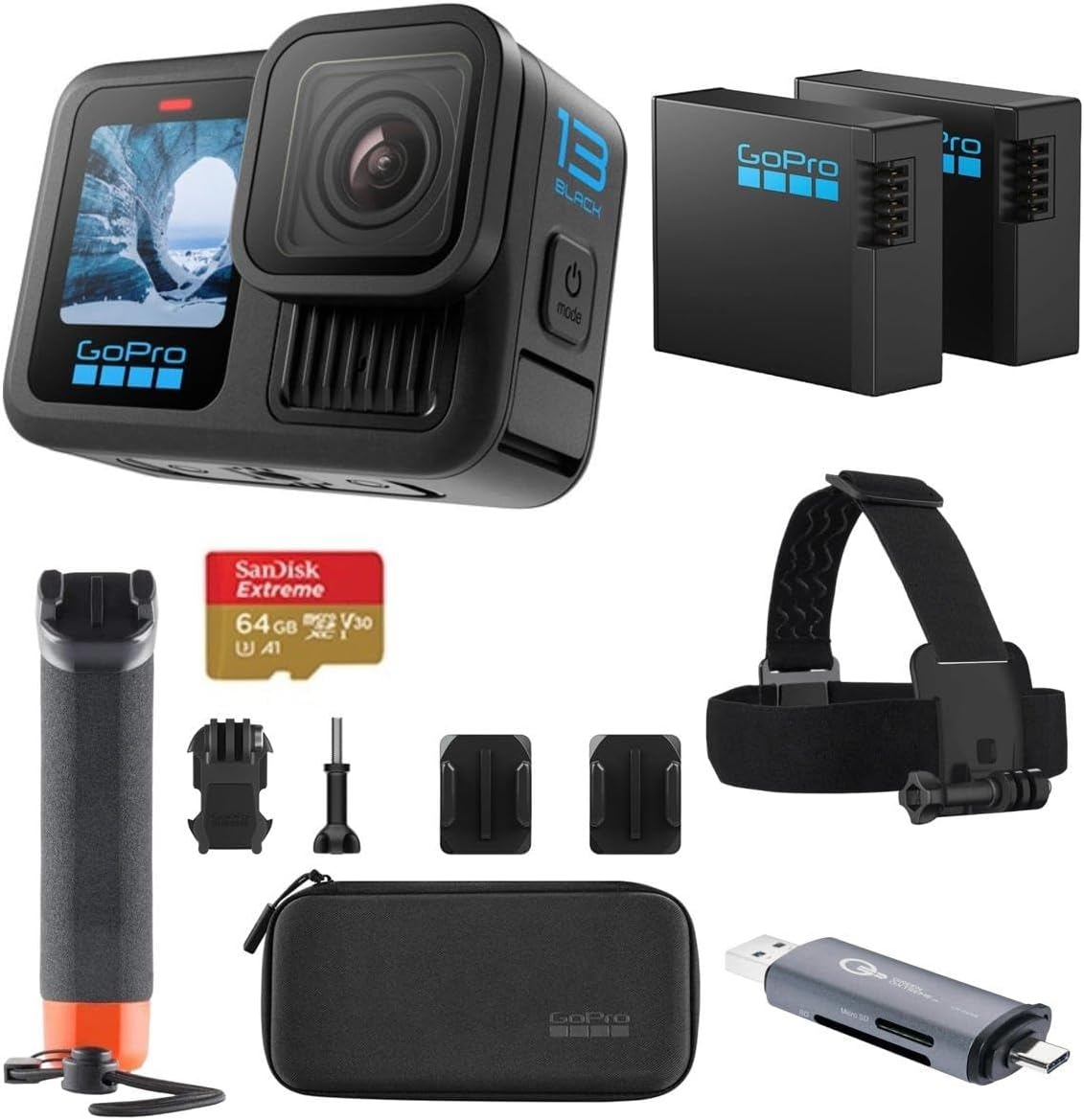
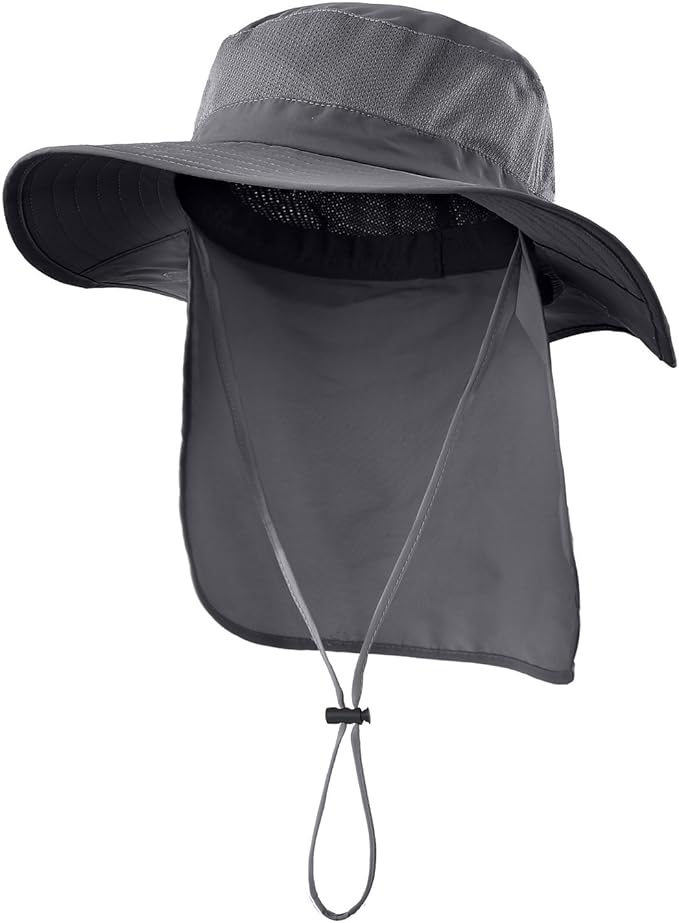
Everything above — boots, socks, backpacks, poles — makes a genuinely good gift if you know their size and preferences. If you don't, these smaller extras are easier bets and still get real use on the trail.
Quick Packing Checklist
-
Broken-in boots, correct size and terrain-appropriate
-
Hat and sun protection
-
2–3 pairs of moisture-wicking socks (never cotton)
-
Rain shell or lightweight layer
-
A pack sized to trip length, fitted by torso, not height
-
Water bottle or hydration reservoir
-
Trekking poles for steep or long-distance hikes
-
Basic first aid kit
Good gear doesn't need to be expensive, but on the trail, the difference between the right pair of boots and the wrong ones is the difference between a great day and a long walk back.